
Hybrid Publishing
A Women-Owned Hybrid Publisher
Helping Authors Publish Exceptional Books
If you've been researching how to publish a book, you've probably encountered three primary paths: traditional publishing, self-publishing, and hybrid publishing.
The first two are relatively familiar. The third is often less understood.
Bold Story Press is a women-owned hybrid publisher dedicated to helping women authors publish professionally produced books while maintaining ownership, creative involvement, and a meaningful share of their book's revenue.
Hybrid publishing combines elements of traditional publishing and self-publishing. Authors invest in the publication of their books and work with an experienced publishing team through editing, design, production, distribution, and launch. In return, they receive professional publishing support while retaining rights to their work.
It isn't the right choice for every author. Neither is traditional publishing. Neither is self-publishing.
Every publishing model involves trade-offs. The question is which approach best fits your goals.
What Is Hybrid Publishing?
A reputable hybrid publisher provides the professional infrastructure of a traditional publishing house while allowing authors to maintain more ownership and involvement in the publishing process.
Unlike traditional publishing, where the publisher typically funds the project, acquires rights, and controls most decisions, hybrid publishing allows authors to make a financial investment in their books while retaining ownership and earning higher royalties.
Unlike self-publishing, where the author manages every aspect of production independently, hybrid publishing provides experienced editorial guidance, professional design, publishing expertise, and distribution support.
When done well, hybrid publishing gives authors the guidance they need without asking them to give up control of the work they created.
How Bold Story Press Approaches Hybrid Publishing
At Bold Story Press, we publish a curated list of books by women each year.
Our authors receive:
Professional developmental and line editing
Thoughtful cover and interior design
Print and ebook production
National distribution through Ingram
Strategic guidance on positioning and launch
Most importantly, authors retain ownership of their work and participate in the decisions that shape their books.
FAQs About Hybrid Publishing
-
Hybrid publishing typically costs between $10,000 and $30,000, depending on the publisher and the scope of services. That investment covers professional editorial work, cover and interior design, production, and distribution. At Bold Story Press, we are transparent about pricing from our first conversation with an author.
-
Yes. In a hybrid model, the author invests in the professional production of their book. This is how hybrid publishing is structurally different from traditional publishing, where the publisher funds production. In exchange for that investment, hybrid authors retain their rights and earn higher royalties than traditional publishing typically provides.
-
No, and the distinction matters. A vanity press accepts virtually any manuscript, provides minimal professional guidance, and earns its revenue primarily from author fees rather than from selling books. A legitimate hybrid publisher is selective, employs experienced editorial and design professionals, and produces books that can compete in the marketplace. The easiest test: does the publisher turn manuscripts down? If the answer is no, look more closely.
-
Yes. One of the defining advantages of hybrid publishing is a higher royalty rate than traditional publishing. Because the author has already invested in production costs, the publisher does not need to recoup that investment from sales, which means a greater share of revenue flows back to the author. At Bold Story Press and Xander Press, we typically pay authors between 60% and 70% of net sales.
-
In a legitimate hybrid arrangement, the author retains ownership of their work. You should never sign with a hybrid publisher without confirming that rights remain with you and reviewing the contract carefully. At Bold Story Press, authors retain their rights.
-
Most hybrid publishing projects move significantly faster than traditional publishing. A typical timeline from manuscript to published book is 9 to 12 months, compared to the 18 to 24 months or more that traditional publishing routinely requires. The exact timeline depends on the state of your manuscript and the scope of editorial work involved.
-
A strong hybrid publisher will evaluate your manuscript before offering a contract. At Bold Story Press, we offer a manuscript evaluation service that gives you an honest, professional assessment of where your manuscript stands and what, if anything, it needs before moving into production.
Is Hybrid Publishing Right for You?
Hybrid publishing is often a strong fit for authors who:
Want a professionally published book without waiting years for traditional publishing
Value experienced editorial guidance and professional design
Want to retain ownership of their work
Are willing to invest in producing a high-quality book
Are building a business, platform, speaking career, or professional reputation
At Bold Story Press, some of our authors are writing memoirs, stories of resilience, reinvention, family, leadership, and experiences that deserve to be shared. Others are entrepreneurs, executives, consultants, and professionals writing business books or nonfiction based on the knowledge they've built throughout their careers. And many are finally writing the novel they've carried with them for decades.
The subject matter varies, but the goal is often the same: to create a professionally published book that represents the author's ideas and experiences well.
Hybrid publishing may not be the right choice for authors whose primary goal is securing a traditional publishing contract or receiving a large advance. That's okay.
The best publishing path depends on what you want your book to accomplish.
See What a Book Can Make Possible
Bold Story Press authors have used their books to build their businesses, establish their expertise, reach new audiences, and create opportunities they never anticipated.

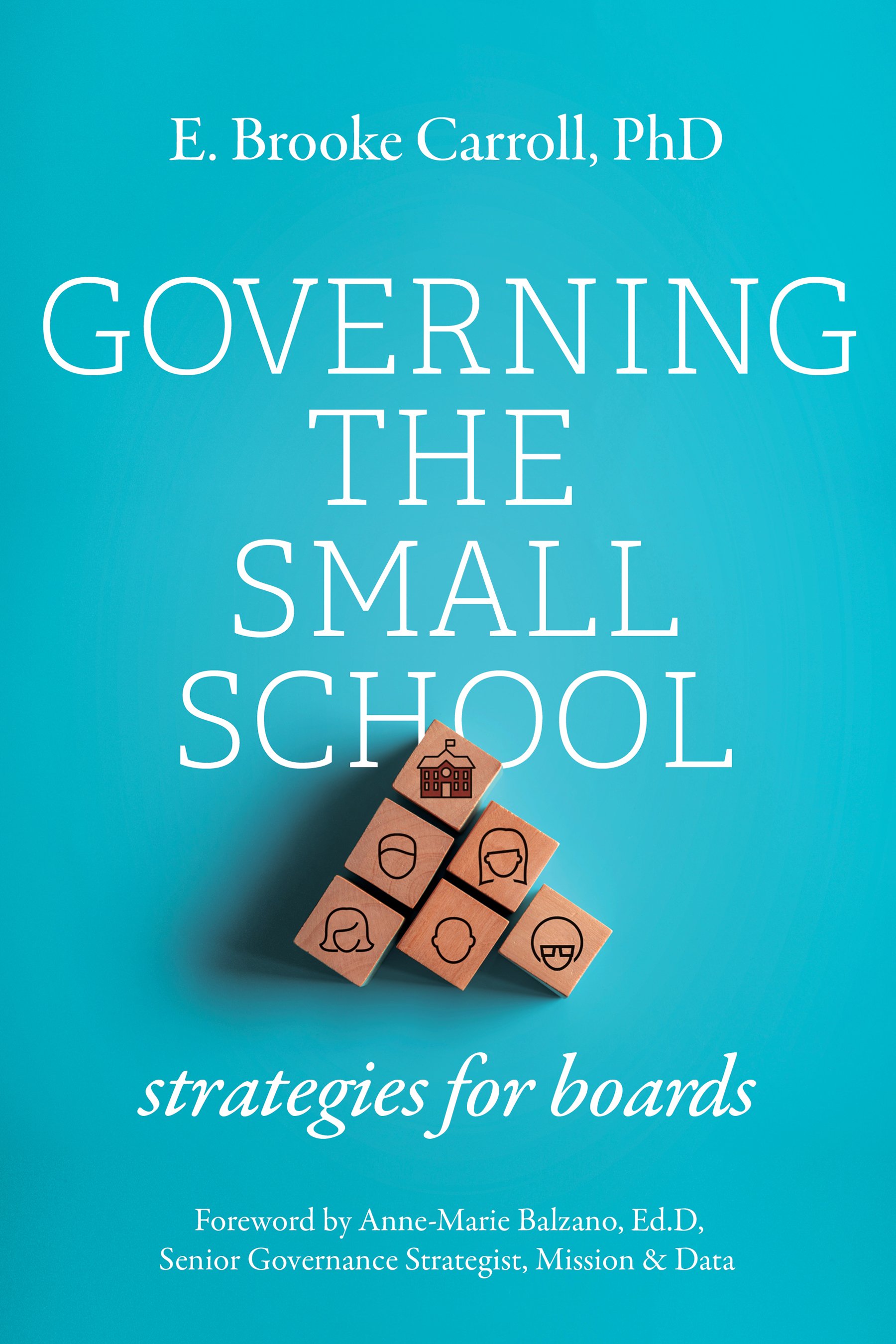
Brooke Carroll
A book that expanded her consulting business
Brooke turned years of expertise into a book that builds credibility and reaches clients beyond her consulting practice.


Jean Peelen
A memoir that opened unexpected doors
Jean's memoir became the foundation for speaking, advocacy, and an audience of over 148,000 TikTok followers.
What Our Authors Say
Not All Hybrid Publishers Are the Same
The term “hybrid publisher” is not regulated, which means it is used by companies with very different standards, intentions, and levels of professional expertise. Before working with any hybrid publisher, it is worth asking the right questions.
Signs of a serious hybrid publisher:
They are selective. They decline manuscripts that are not ready or not a good fit.
They have experienced editors and designers with verifiable publishing backgrounds.
They can show you a body of published work that holds up against traditionally published titles.
They distribute through Ingram or comparable channels, not just Amazon.
They are transparent about costs, royalties, and what rights you retain.
Red flags:
They accept every manuscript submitted to them.
They are vague about what editorial services actually involve.
Their published books look noticeably self-published.
The contract is unclear about rights retention or royalty structure.
The Independent Book Publishers Association (IBPA) publishes hybrid publisher criteria that offers a useful benchmark. A reputable hybrid publisher should be able to speak directly to those standards.
Ready To Take the Next Step?
Just exploring your options?
Attend our free webinar, The Honest Guide To Getting Published.
Emily explains today's publishing landscape, the differences between traditional, self-, and hybrid publishing, and what authors should know before they publish.
It isn't a sales presentation. We find the distinction important.
Register for a webinar
Well into your manuscript?
Request a professional manuscript evaluation.
If your manuscript is substantially complete, one of our editors will provide thoughtful feedback and help you determine what comes next.
Request an evaluation
Finished your book?
If your manuscript is complete and you believe Bold Story Press may be the right fit, we'd be delighted to review it.
We publish only a portion of the manuscripts we receive, but every submission is read carefully.